


Ensure HIPAA Compliance with Tailored hipaa-compliant IT solutions
In today’s healthcare environment, protecting patient information is not just a legal requirement but a critical business priority. Small healthcare and dental practices in Southern California face unique challenges in maintaining HIPAA compliance. I’ve seen firsthand how tailored IT solutions can make a difference. They help safeguard sensitive data, streamline operations, and reduce risks. Let’s explore how you can ensure HIPAA compliance with IT solutions designed specifically for your needs.
Why Choose hipaa-compliant IT solutions?
HIPAA compliance is complex. It involves administrative, physical, and technical safeguards. Generic IT setups often fall short. That’s why tailored hipaa-compliant IT solutions matter. They address your specific risks and workflows.
For example, a dental office might need secure patient scheduling software integrated with encrypted communication tools. A small healthcare clinic may require robust access controls and audit trails for electronic health records (EHR). Tailored solutions ensure these needs are met without unnecessary features or costs.
Key benefits include:
Data security: Encryption, firewalls, and secure backups protect patient data.
Access control: Role-based permissions limit who can see sensitive information.
Audit readiness: Automated logs and reports simplify compliance audits.
Disaster recovery: Quick data restoration minimizes downtime after incidents.
User training: Customized training programs reduce human error risks.
By focusing on your practice’s unique environment, tailored IT solutions reduce compliance gaps and improve overall efficiency.

Secure network equipment ensures data protection in healthcare IT environments.
How tailored IT solutions support HIPAA compliance
Tailored IT solutions go beyond basic security. They integrate with your existing systems and workflows. This integration is crucial for maintaining compliance without disrupting daily operations.
Here’s how tailored IT solutions support HIPAA compliance:
Risk assessment and management: Customized IT solutions start with a thorough risk analysis. This identifies vulnerabilities specific to your practice. For example, outdated software or unsecured Wi-Fi networks.
Data encryption: Tailored solutions implement encryption for data at rest and in transit. This protects patient information from unauthorized access.
Access management: Solutions enforce strict access controls. They use multi-factor authentication and role-based permissions to limit data exposure.
Regular updates and patches: Customized IT services ensure your software and hardware are always up to date. This prevents exploitation of known vulnerabilities.
Incident response planning: Tailored IT includes protocols for detecting, reporting, and responding to data breaches quickly.
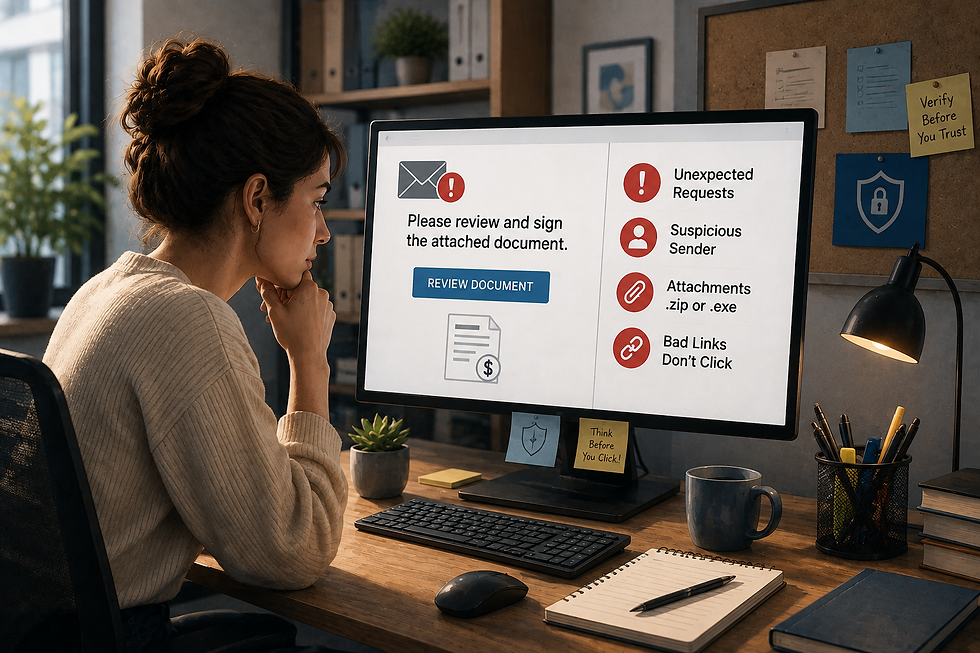
Employee training: IT providers can offer training tailored to your staff’s roles. This reduces risks from phishing and other social engineering attacks.
These elements work together to create a secure environment that meets HIPAA’s technical safeguards.
What software is used for HIPAA compliance?
Choosing the right software is critical. It must support HIPAA’s requirements while fitting your practice’s size and budget. Here are some common types of software used in HIPAA compliance:
Electronic Health Record (EHR) systems: These store patient data securely and provide audit trails. Examples include cloud-based and on-premises solutions.
Encryption tools: Software that encrypts emails, files, and databases to protect data privacy.
Access control software: Manages user permissions and authentication methods.
Backup and disaster recovery software: Ensures data can be restored quickly after loss or corruption.
Security Information and Event Management (SIEM): Monitors network activity for suspicious behavior.
Compliance management platforms: Help track policies, training, and audit readiness.
When selecting software, look for vendors who understand HIPAA regulations and offer features like automatic logging, encryption, and secure user authentication. Integration with your existing systems is also key to avoid workflow disruptions.

Healthcare compliance software helps monitor and manage HIPAA requirements.
Practical steps to implement HIPAA-compliant IT solutions
Implementing tailored IT solutions requires a clear plan. Here’s a step-by-step approach that I recommend:
Conduct a comprehensive risk assessment: Identify all potential vulnerabilities in your IT environment.
Develop a compliance roadmap: Prioritize actions based on risk severity and available resources.
Choose the right IT partner: Look for providers experienced in healthcare IT and HIPAA compliance.
Deploy tailored solutions: Implement encryption, access controls, secure backups, and monitoring tools.
Train your staff: Regular training on security best practices and HIPAA policies is essential.
Monitor and audit regularly: Use automated tools to track compliance and detect issues early.
Update policies and procedures: Keep documentation current to reflect changes in technology or regulations.
Prepare for incidents: Have a clear response plan for data breaches or system failures.
Following these steps helps ensure your practice stays compliant and secure.
Staying ahead with proactive IT management
HIPAA compliance is not a one-time task. It requires ongoing attention and adaptation. Proactive IT management is the best way to stay ahead of threats and regulatory changes.
Here’s what proactive management looks like:
Continuous monitoring: Real-time alerts for suspicious activity.
Regular software updates: Patch vulnerabilities before they can be exploited.
Frequent training sessions: Keep staff aware of new threats and compliance requirements.
Periodic risk reassessments: Adjust your security posture as your practice grows or changes.
Collaboration with IT experts: Work with specialists who understand healthcare regulations and technology trends.
By staying proactive, you reduce the risk of costly breaches and penalties. You also build trust with your patients by demonstrating your commitment to protecting their information.
If you want to explore how to implement these strategies effectively, consider partnering with a trusted provider of hipaa compliance it solutions. They can tailor services to your practice’s unique needs and help you maintain compliance with confidence.
Preparing your practice for the future
The healthcare landscape is evolving rapidly. New technologies, regulations, and cyber threats emerge constantly. Your IT solutions must be flexible and scalable to keep pace.
Investing in tailored hipaa-compliant IT solutions today means:
Improved patient trust: Secure systems protect sensitive data and enhance your reputation.
Operational efficiency: Streamlined workflows reduce errors and save time.
Regulatory readiness: Stay compliant with current and future HIPAA requirements.
Cost savings: Avoid fines, breaches, and downtime with proactive security.
Peace of mind: Focus on patient care knowing your IT infrastructure is secure.
In Southern California’s competitive healthcare market, these advantages are essential. Tailored IT solutions are not just a compliance tool - they are a foundation for sustainable growth and success.
By taking these steps, you can ensure your practice remains secure, compliant, and ready for whatever challenges lie ahead. Tailored IT solutions are the key to unlocking that future.

Comments