


Why Cybersecurity Matters for Dentistry with New HIPAA Requirements in 2026
Updated: Aug 6
Dentistry practices handle a lot of sensitive patient information. With new HIPAA requirements coming in 2026, protecting this data is more important than ever. Many dental offices rely on regular IT support, but that is no longer enough. Cybersecurity must be a priority to avoid costly breaches and fines.
Understanding the New HIPAA Requirements for 2026
The Health Insurance Portability and Accountability Act (HIPAA) sets rules for protecting patient health information. In 2026, these rules will become stricter. The updates focus on stronger data protection, faster breach reporting, and more accountability for healthcare providers, including dental offices.
These changes mean dental practices must improve how they secure electronic health records (EHRs), patient communications, and billing information. Failure to meet these standards can lead to heavy fines and damage to reputation.
The new HIPAA rules emphasize:
Stronger encryption of patient data both in storage and transit.
Regular risk assessments to identify vulnerabilities.
Faster breach notification to affected patients and authorities.
Employee training on cybersecurity best practices.
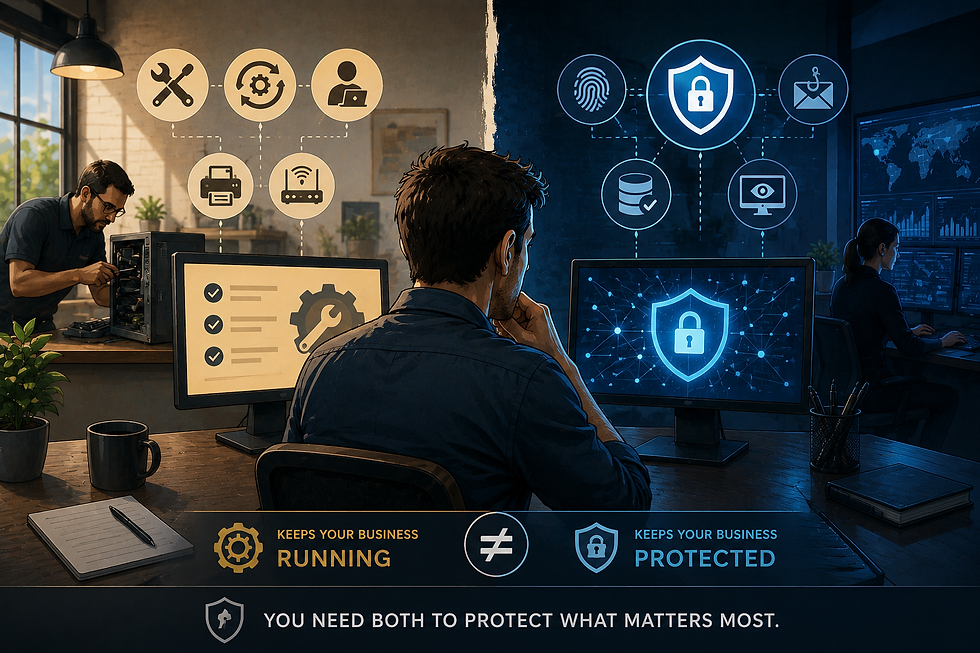
Dental offices that only rely on basic IT support may miss these critical requirements. Regular IT often focuses on fixing hardware or software issues but does not cover the specialized security needed for HIPAA compliance.

Why Regular IT Support Is Not Enough for Dental Cybersecurity
Most dental practices have some form of IT support. This usually includes setting up computers, fixing software problems, and managing backups. While these tasks are important, they do not cover the full scope of cybersecurity needed under the new HIPAA rules.
Here are some reasons why regular IT falls short:
Lack of specialized security focus: Regular IT teams may not have expertise in healthcare data protection or HIPAA compliance.
No continuous monitoring: Cyber threats evolve quickly. Without constant monitoring, breaches can go unnoticed for weeks or months.
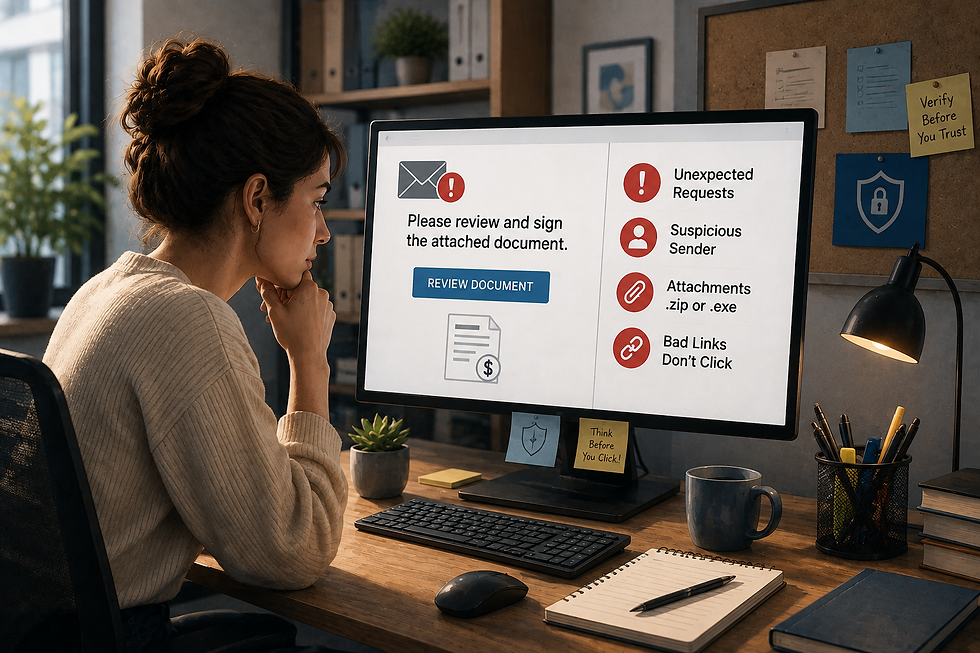
Limited employee training: Staff are often the weakest link in security. Regular IT may not provide ongoing training on phishing or safe data handling.
No formal risk assessments: Identifying and fixing security gaps requires detailed risk analysis, which is not part of standard IT support.
Because of these gaps, dental practices need cybersecurity solutions designed specifically for healthcare. This includes tools and services that help meet HIPAA’s technical and administrative safeguards.
How to Avoid Data Breaches and Fines in Dentistry
Avoiding breaches and fines starts with understanding the risks and taking proactive steps. Here are practical ways dental offices can protect themselves:
1. Conduct Regular Risk Assessments
Identify where patient data is stored, how it is accessed, and what vulnerabilities exist. This helps prioritize security improvements.
2. Use Strong Encryption
Encrypt all patient data, whether it is stored on servers or sent via email or messaging apps. Encryption makes stolen data useless to hackers.
3. Implement Multi-Factor Authentication (MFA)
Require MFA for all systems that access patient information. This adds a second layer of security beyond just passwords.
4. Train Employees Frequently
Teach staff how to recognize phishing emails, use secure passwords, and follow data handling policies. Regular training reduces human error.
5. Monitor Systems Continuously
Use tools that watch for unusual activity or unauthorized access. Early detection can stop breaches before they cause damage.
6. Have a Clear Breach Response Plan
Prepare a plan for quickly notifying patients and authorities if a breach occurs. This helps meet HIPAA’s faster reporting requirements.
7. Partner with Specialized Cybersecurity Providers
Work with companies that understand healthcare IT and HIPAA. They can provide tailored solutions and ongoing support.
Examples of Cybersecurity Solutions for Dental Practices
To meet the new HIPAA requirements, dental offices can consider services like those offered by CRSI Computer Resource Specialists. They provide reliable, secure IT solutions designed for small healthcare businesses in Southern California.
One example is their Managed Security Services. This service includes continuous monitoring, risk assessments, and employee training. It helps dental practices stay ahead of threats and maintain compliance.
Another useful offering is their HIPAA Compliance Consulting. This service guides dental offices through the complex rules and helps implement the right policies and technologies.
By choosing providers with healthcare expertise, dental practices can avoid the pitfalls of generic IT support. These specialized services focus on protecting patient data and reducing the risk of fines.

Preparing Your Dental Practice for 2026 and Beyond
The new HIPAA requirements are a wake-up call. Dental offices must move beyond basic IT and invest in cybersecurity. This protects patients and the practice’s future.
Start by reviewing your current IT setup. Ask if it includes:
Regular risk assessments
Encryption of all patient data
Multi-factor authentication
Employee cybersecurity training
Continuous system monitoring
A breach response plan
If any of these are missing, it’s time to act. Partnering with a company like CRSI Computer Resource Specialists can provide the expertise and tools needed.
Remember, cybersecurity is not a one-time fix. It requires ongoing attention and updates as threats evolve. The sooner you start, the better prepared you will be for the 2026 HIPAA changes.

Taking these steps will help your dental practice avoid costly breaches and fines. It will also build trust with your patients, showing that you take their privacy seriously.
The Importance of Cybersecurity in Dentistry
Protecting patient data is a responsibility that dental offices cannot ignore. The new HIPAA requirements in 2026 raise the bar for cybersecurity. Regular IT support alone will not meet these demands.
By understanding the risks, adopting strong security measures, and working with specialized providers, dental practices can stay safe and compliant. This approach supports long-term success and patient confidence.
If you want to learn more about how to prepare your dental practice for these changes, consider reaching out to experts who focus on healthcare cybersecurity. Taking action now will save you time, money, and stress later.
In conclusion, the landscape of dental cybersecurity is changing. We must adapt to these changes to protect our patients and our practices. The responsibility lies with us to ensure that we are compliant and secure in the face of evolving threats.

Comments