


Cybersecurity Downtime: A Critical Concern for Dental Practices
Updated: Apr 22

Understanding the Real Threat
Most dentists assume cybercriminals want patient records. In reality, attackers seek downtime leverage.
Healthcare offices operate on tight schedules. When systems fail, patient flow stops immediately. Appointments get canceled. Revenue halts. Stress levels rise.
Recent healthcare-focused incidents reveal attackers exploiting this pressure. Their goal isn't long-term data theft. Instead, they aim for fast disruption that forces quick decisions.
Why Dental Practices Are Vulnerable
Dental practices are particularly susceptible to cyber threats for several reasons:
Imaging software is mission-critical.
Practice management systems are tightly integrated.
Many environments rely on older hardware that “still works.”
Attackers understand that even one hour offline can create chaos. This is why resilience matters more than prevention alone.
The Importance of Resilience
The practices that recover the fastest are not necessarily those with the most advanced tools. They are the ones that have:
Verified backups.
Clear recovery steps.
Staff who know what to do when systems freeze.
Cybersecurity in dentistry is no longer about “if.” It’s about how fast you can safely get back to treating patients.
The Business Impact of Cybersecurity Downtime
In today’s threat landscape, dental practice cybersecurity downtime is not just an IT issue. It is a business-critical risk that directly impacts patient care, revenue, and trust.
When systems go down, patient care suffers. Trust erodes. Patients may seek care elsewhere. This can lead to long-term financial consequences for practices.
Strategies for Effective Cybersecurity
To mitigate risks, dental practices should adopt a proactive approach to cybersecurity. Here are some strategies to consider:
1. Regular Training for Staff
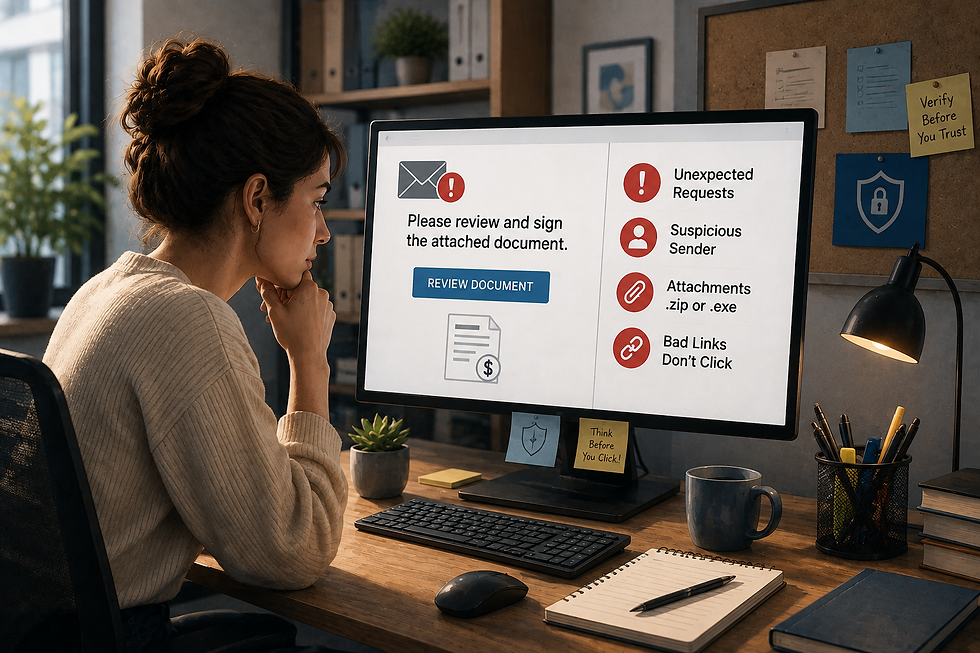
Educate your team about cybersecurity threats. Regular training sessions can help staff recognize phishing attempts and other malicious activities.
2. Implement Strong Access Controls
Limit access to sensitive information. Use role-based access controls to ensure that only authorized personnel can access critical systems.
3. Invest in Reliable Backup Solutions
Ensure that you have verified backups in place. Regularly test these backups to confirm they can be restored quickly in case of a cyber incident.
4. Develop a Response Plan
Create a clear response plan for when systems go down. This plan should outline recovery steps and designate roles for staff members during a crisis.
5. Monitor Systems Continuously
Use monitoring tools to keep an eye on your systems. Early detection of unusual activity can help prevent larger issues.
Conclusion
In conclusion, cybersecurity downtime is a pressing concern for dental practices. By understanding the risks and implementing effective strategies, practices can enhance their resilience.
The goal is to ensure that when systems do fail, recovery is swift. This approach not only protects patient care but also safeguards revenue and trust.
For more information on how to bolster your practice's cybersecurity, consider reaching out to professionals who specialize in IT solutions for healthcare.
---wix--

Comments