


Understanding Automation Cybersecurity Risks for Small Businesses
Updated: Mar 3

The Rise of Automation in Small Businesses
Automation cybersecurity risk is growing quietly as businesses rely on systems that move faster than teams can monitor or intervene. Small businesses are adopting automation faster than ever. Payment processing, scheduling, invoicing, remote access, and AI tools are all good things. However, there is a critical aspect that rarely gets discussed: every automated system removes a human checkpoint.
The Hidden Dangers of Automation
Recent incidents tied to billing platforms, auto-pay systems, and workflow tools show how automation can amplify small mistakes at scale. One configuration error can affect every client, every invoice, or every device instantly. Attackers understand this shift. Instead of hacking one machine, they aim for:
Central dashboards
Admin portals
API connections
Payment workflows
The risk is not automation itself. The risk is automation without guardrails. If a system can act without human review, it must be monitored like a privileged user. Automation should reduce work. It should never remove visibility.
Importance of Monitoring Automated Systems
Monitoring is crucial. Without it, businesses expose themselves to significant risks. Automated systems can operate independently, but they still require oversight. Regular audits and checks can help identify vulnerabilities before they are exploited.
Implementing Guardrails for Automation
To mitigate risks, businesses must implement guardrails. These can include:
Access Controls: Limit who can make changes to automated systems.
Regular Updates: Keep software and systems up to date to protect against vulnerabilities.
Incident Response Plans: Have a plan in place for when things go wrong.
By establishing these measures, businesses can enjoy the benefits of automation while minimizing risks.
The Role of IT Solutions
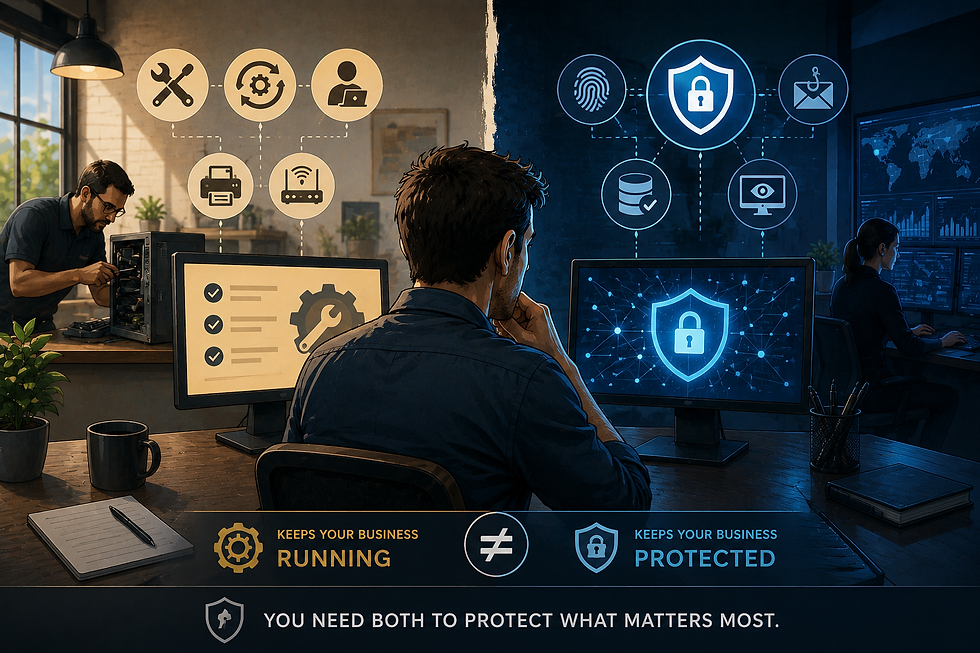
This is where reliable IT solutions come into play. Partnering with a trusted IT provider can help small businesses navigate the complexities of automation. They can offer proactive support, ensuring systems are secure and efficient.
For instance, CRSI Computer Resource Specialists aims to be the go-to partner for small businesses across Southern California, especially in the dental and healthcare sectors, by providing reliable, secure, and proactive IT solutions that help them stay productive and prepared for future challenges.
Conclusion
In conclusion, while automation offers many advantages, it also presents unique cybersecurity risks. Small businesses must remain vigilant. By understanding these risks and implementing proper monitoring and guardrails, they can harness the power of automation without compromising security.
Automation should empower businesses, not expose them to danger. Stay informed, stay secure, and embrace the future of technology with confidence.

Comments