


Understanding Legacy Healthcare IT Security Risks
Updated: Feb 24

The Hidden Dangers of Outdated Systems
Legacy healthcare IT security risks often grow unnoticed in systems that seem stable, familiar, and “good enough” until they fail all at once.
Dental practices are filled with systems that “have always worked.” Old servers, outdated imaging software, and workstations that were last replaced years ago create a false sense of security.
Stability feels safe. Until it isn’t.
Recent Disruptions
Many recent healthcare disruptions began in environments that had no recent changes. There were no new installations, no upgrades, and no warnings.
Attackers increasingly target these stable systems because:
They are rarely monitored closely.
They run outdated software quietly.
Staff trust them completely.
The Unique Aging of Healthcare Technology
Healthcare technology ages differently than consumer tech. It doesn’t slow down gradually. It fails all at once.
Modern cybersecurity for dental practices means reassessing what has been ignored because it was reliable. Longevity is not protection. Visibility is.
The Importance of Regular Updates
Regular updates are crucial for maintaining security. Outdated systems are prime targets for cyberattacks. They often lack the latest security patches and features.
By implementing a routine update schedule, practices can mitigate risks. This proactive approach helps ensure that systems remain secure and functional.
Training Staff on Cybersecurity
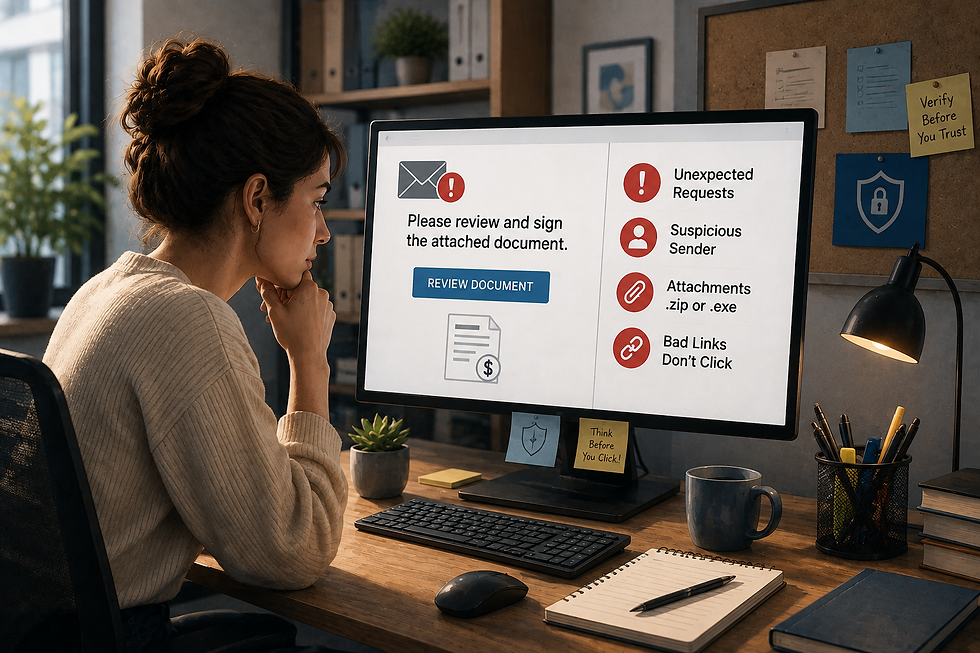
Another key aspect of cybersecurity is staff training. Employees must understand the risks associated with outdated technology. They should be aware of how to identify potential threats.
Regular training sessions can empower staff to recognize suspicious activity. This awareness can significantly reduce the likelihood of a successful attack.
Investing in Modern Solutions
Investing in modern IT solutions is essential for dental practices. New technologies offer improved security features and better performance.
By upgrading systems, practices can enhance their overall efficiency. This not only protects sensitive patient information but also boosts productivity.
The Role of IT Partners
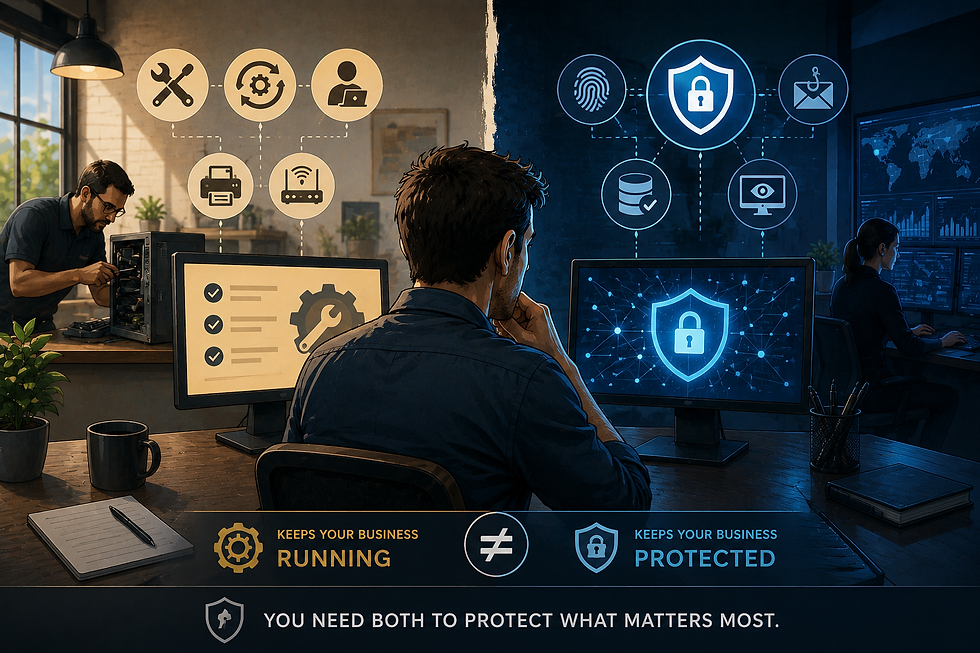
Partnering with a reliable IT provider can make a significant difference. An experienced partner can offer tailored solutions that meet the unique needs of dental practices.
They can provide ongoing support, ensuring that systems remain up-to-date and secure. This partnership allows practices to focus on patient care while leaving IT management to the experts.
Conclusion
In conclusion, legacy healthcare IT security risks are a growing concern. Dental practices must take proactive steps to address these vulnerabilities.
By regularly updating systems, training staff, and investing in modern solutions, practices can protect themselves. The phrase “proactive IT solutions” is crucial in this context. It emphasizes the need for ongoing vigilance and improvement.
Staying ahead of potential threats is vital for maintaining a secure environment. Remember, visibility is the key to safety in an ever-evolving digital landscape.

Comments